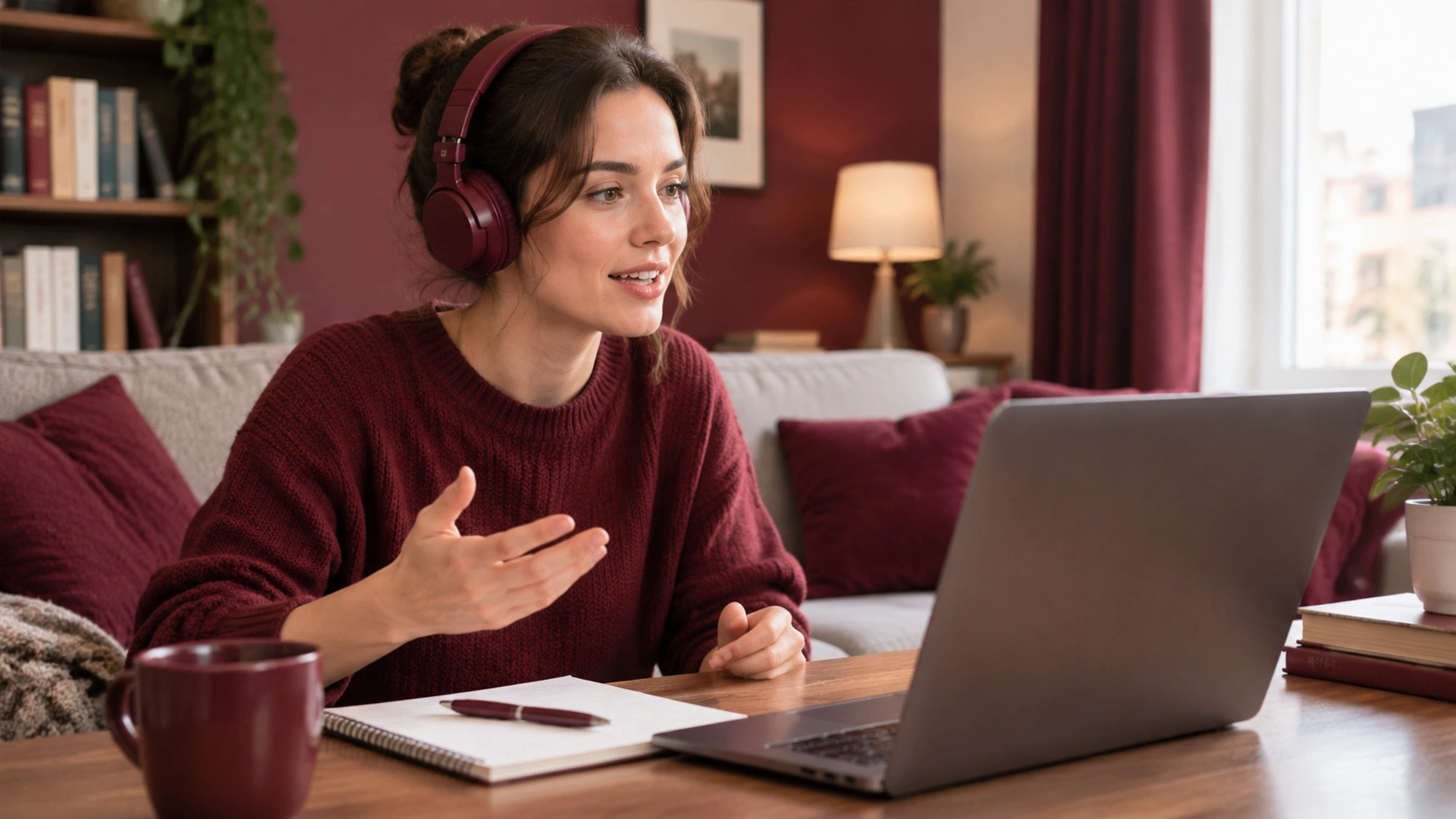
A Realistic Solo Routine for Building Speaking and Listening Skills at Home
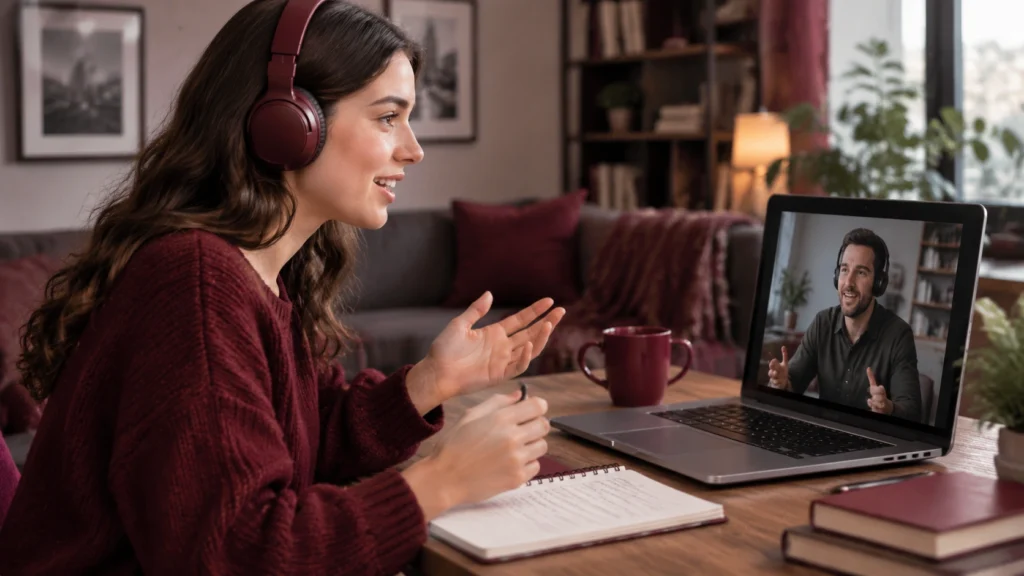
If you are looking for the best way to learn a new language alone at home, start with a routine you can actually keep. You do not need expensive classes or fancy equipment. What you need is a clear plan, free tools, and a few quiet minutes each day. This guide offers a realistic solo routine focused on speaking and listening, two skills that build confidence and make conversations feel natural.
This is general learning advice written in plain language. You can adapt it to any language you are studying, whether you are a beginner or returning after a break.
Set a simple weekly goal
Choose one small goal you can measure. For example, aim to complete three listening sessions and two speaking sessions per week, plus one short review day. Keep each session short and focused: 20 to 40 minutes is enough. A calm, steady plan beats a long session you skip.
Write your goal on paper and put it near your desk. When the plan is visible, you are more likely to follow it.
Build your free toolkit
You can do most of the work with free tools and open content. Here are reliable options that work well for solo study:
- Language learning apps for quick lessons and vocabulary review.
- Podcasts made for learners, with slow speech and clear topics.
- YouTube channels that teach grammar, pronunciation, and real conversation.
- Transcripts and subtitles so you can read while you listen.
- Flashcard apps with spaced repetition to remember words.
- AI conversation partners or voice assistants for low-pressure speaking practice.
Keep your toolkit small. Two or three tools are enough. Too many choices can pull you away from the routine.
A calm daily structure you can follow
Use a simple cycle that covers listening, speaking, vocabulary, and review. Here is a sample 30-minute plan you can repeat on your practice days:
- Warm-up (5 minutes): Listen to a short clip once without stopping. Do not worry about every word. Notice the topic and the rhythm.
- Focus listening (10 minutes): Play the same clip again. Pause after each sentence and repeat it out loud. If a transcript is available, read along and check new words.
- Speaking (10 minutes): Answer a simple question about the clip in your own words. Record yourself for one minute. Then say it again with better flow. If you like, ask an AI assistant to give you a short reply and keep the conversation going.
- Quick review (5 minutes): Add three new words or phrases to a flashcard deck and review a few old cards.
This cycle trains your ears and your mouth in the same session. It also keeps your vocabulary growing without overwhelming you.
Listening without stress
Good listening is not about understanding every word. It is about training your brain to follow meaning. Start with content made for learners. Look for episodes with slow, clear speech and short topics. As you improve, move to native content with subtitles in the target language.
Use these steps for any audio or video you choose:
- Listen once for the main idea.
- Listen again and shadow the speaker by repeating right after them.
- Check the transcript for words you missed.
- Retell the idea in your own words.
Shadowing helps with pronunciation, rhythm, and natural stress. It is one of the most effective solo techniques for speaking and listening together.
Speaking every day, even alone
You do not need a partner to practice speaking. You can talk to yourself, and that is fine. The goal is to move words from your mind to your mouth. Try these low-pressure activities:
- Describe your room for two minutes using simple sentences.
- Explain what you will do today as if you were telling a friend.
- Summarize a video you just watched in three to five sentences.
- Record a voice note and listen back to spot one thing to improve.
If you want feedback, use free tools. A voice assistant can answer simple questions. An AI chat partner can give you short replies and correct a sentence or two. Keep corrections small and practical. Focus on clarity, not perfection.
Make a simple weekly plan
A steady week is better than a random marathon. Here is a light schedule you can adjust:
- Day 1: Listening focus with a short clip and shadowing.
- Day 2: Speaking focus with recording and self-review.
- Day 3: Vocabulary review and one short conversation with an AI partner.
- Day 4: Listening and note-taking on new phrases.
- Day 5: Speaking practice with a longer monologue or role play.
- Day 6: Free day or light review.
On your free day, you can still get some input. Listen to music in your target language while cooking, or watch a short video with subtitles. Light exposure keeps your ear active without pressure.
How to pick content you will enjoy
Motivation grows when you care about the topic. Choose podcasts, channels, and videos about things you already like, such as cooking, travel, sports, or history. Start with learner-friendly versions, then move to native content. If a clip feels too hard, pick an easier one. The right level is one where you understand the main idea but still learn a few new words.
Track progress in plain ways
You do not need complex systems. Use a small notebook or a notes app. After each session, write the date, what you did, and one thing that improved. For example: “I understood more of the main idea,” or “My shadowing felt smoother.” Once a month, record a two-minute talk on the same topic and compare it to your earlier recording. Hearing your progress is powerful.
Common mistakes to avoid
- Skipping speaking because it feels awkward. Awkwardness fades with practice. Start with short, simple sentences.
- Collecting too many tools. Choose a few and use them well.
- Chasing speed over clarity. Slow, steady practice builds strong habits.
- Ignoring review. Spaced repetition helps you keep what you learn.
Start today with one small step
Choose one short clip in your target language. Listen once, then shadow it. Record a one-minute reply about the topic. Add three new words to a flashcard deck. That is it. Repeat this simple plan on your practice days, keep your sessions calm, and let your routine do the work. Over time, this is the best way to learn a new language alone at home, because it fits your life and helps you speak and listen with confidence.